HIIT workouts are already popular, but full-body HIIT workouts take things to the next level. Whether you’re joining a group class or building your own routine, you’re in for a lot of fun and, most importantly, efficient workouts. If you’re not using this method yet, this guide will show you how to start.
Key Takeaways
- In a full-body HIIT workout, you train all major muscle groups in a single session using a simple 45-second work and 15-second rest format.
- These workouts can be done with weights, dumbbells, or bodyweight.
- Workouts can be structured to fit your schedule, whether you have 20 minutes for a quick session or a full hour for a more intense workout.
- Full-body HIIT workouts can be adjusted for beginners with easier variations, or made more challenging for advanced trainees to keep improving performance.
What Is a Full-Body HIIT Workout?
A full-body HIIT workout is a style of training where you target all the major muscle groups in one session while keeping the intensity high.
The format is also simple to follow. You push close to your max effort for a short burst, take a quick rest, then move straight into the next exercise.
The framework is usually:
- 45 seconds of work
- 15 seconds of rest
You can always adjust work and rest time, but a 45-15 split is one that is the most effective for most people.
You will be rotating through movements that hit your
- Legs (quads, glutes, hamstrings)
- Upper body (chest, back, shoulders, and arms)
- Core
These may sound like a lot of muscles to hit in just one session, but it is not a problem if you know how to program your workouts. Keep reading to learn exactly how.
Benefits of Full-Body HIIT Workouts
One of the biggest reasons people love full-body HIIT is the results. It works for beginners who want to see progress fast, and it also helps experienced lifters break through plateaus and level up their training.
- Quick and effective: If your schedule is packed and you can’t spend hours in the gym, this approach allows you to get a high-quality workout in a short amount of time
- Flexibility: You get to choose how you train. Whether you prefer dumbbells, kettlebells, or bodyweight exercises, you can build your routine around what you enjoy and what you have access to
- Strength and cardio combined: Because of the high intensity, your heart rate stays elevated, helping you burn calories and support weight loss, while resistance exercises help build muscle and improve strength
Downsides of Full-Body HIIT Workouts
Full-body HIIT workouts are powerful, but they do come with a few things to watch out for. The good news is that once you understand them, they’re easy to manage.
- Injury risk: Since you’re training at high intensity and targeting your full body, fatigue can kick in fast. That’s why proper form is important. It’s often better to go with slightly lighter weights than you would in a regular workout, so you can stay in control.
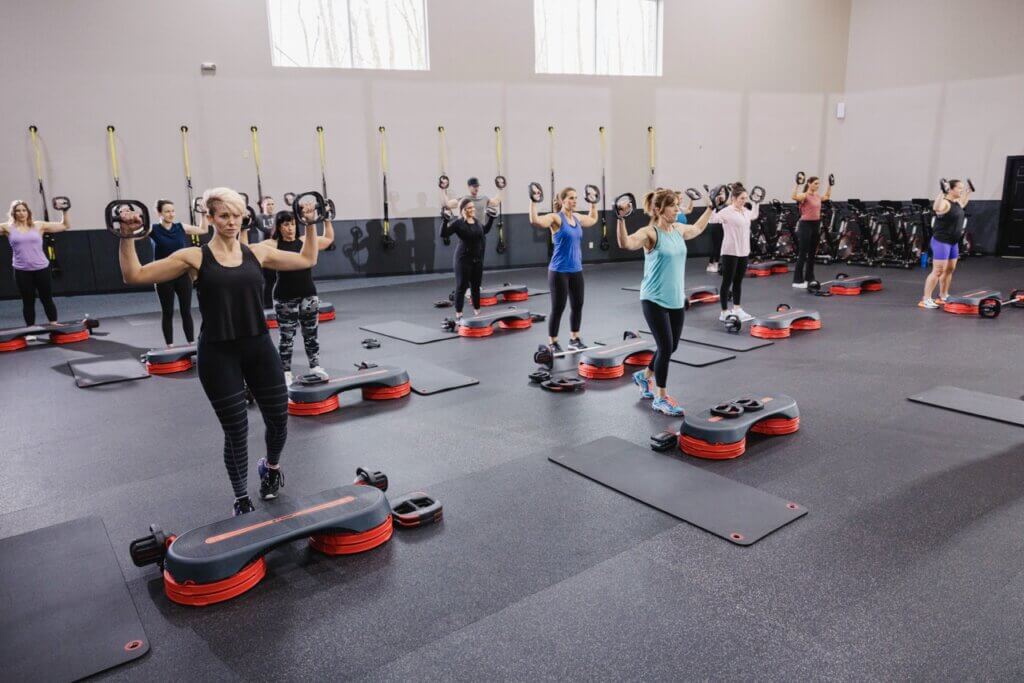
- Beginner support: If you’re just starting out, it’s best to join a structured group class so you can learn proper technique and pacing in a safe environment. If you want to try full-body HIIT workouts in Evansville or Newburgh, check out BFit bootcamp classes.
- Strength limitations: These workouts can help you build strength and muscle, but in most cases, they won’t be as effective as traditional lifting programs that focus on heavier weights, specific rep ranges, and longer rest periods.
- Burnout: These workouts are intense, so you want to avoid overdoing it. Make sure you give your body enough time to recover so you don’t burn out.
Are Full-Body HIIT Workouts Only for Cardio?
No, full-body HIIT workouts don’t have to be centered around cardio only. The exercises you choose will determine whether your workout is more focused on volume and increasing your heart rate, or on building muscle in a short amount of time.
It goes without saying that you will burn more calories compared to a traditional weightlifting workout. But you can look at those burned calories as a bonus.
Instead of doing that same 30-minute cardio session every week, this can be your alternative.
Is HIIT the Same as Circuit Training?
No, HIIT and circuit training are very similar, but the main difference is the level of intensity. HIIT requires you to push close to your maximum effort, almost at full capacity.
Circuit training, on the other hand, is usually done at a more moderate pace and steady intensity.
That said, when you’re doing a full-body HIIT workout with weights, it often feels closer to circuit-style training. Since you’re using weights that challenge you, you naturally have to slow things down to maintain proper form.
When it comes to load, aim for about 40-60% of the weight you would normally use. You’re not chasing a fixed number of reps like 10 or 12. Instead, you’re performing the same movement for a set time, usually around 45 seconds.
Full-Body HIIT Workout With Weights
If you’re looking to do a full-body HIIT workout in the gym, you’ll need to carefully select the exercises you’re going to perform.
Since this is a full-body workout, your goal is to include movements that target all the major muscle groups. Just as important is how you order them, so you feel challenged throughout the workout without getting completely drained too early.
Full-Body HIIT Exercises
Here’s a list of exercises you can choose from for each muscle group in your workout. These are not in any particular order, so feel free to go with the ones you prefer the most.
Another thing to keep in mind is availability. It’s not just about whether a machine exists in the gym, but whether you can actually use it after a short rest period. A good approach is to stick to one bench or station that allows you to perform multiple exercises without moving around too much.
That’s also one of the reasons group workouts like our bootcamp classes are a great option. You don’t have to worry about space, equipment, or figuring out the right order of exercises. Everything is already set up for you.
Here’s a breakdown you can use:
Quads
- Dumbbell goblet squat
- Dumbbell step-ups
- Dumbbell reverse lunges
- Kettlebell sumo squats
- Dumbbell squat to press
Glutes
- Dumbbell Romanian deadlift (light to moderate weight)
- Dumbbell reverse lunges
- Kettlebell swings
- Dumbbell step-ups
- Glute bridge with weight
Chest
- Dumbbell bench press
- Dumbbell incline press
- Dumbbell floor press
- Push-ups with weight plate
- Dumbbell squeeze press
Back
- Dumbbell bent-over rows
- Single-arm dumbbell rows (bench supported)
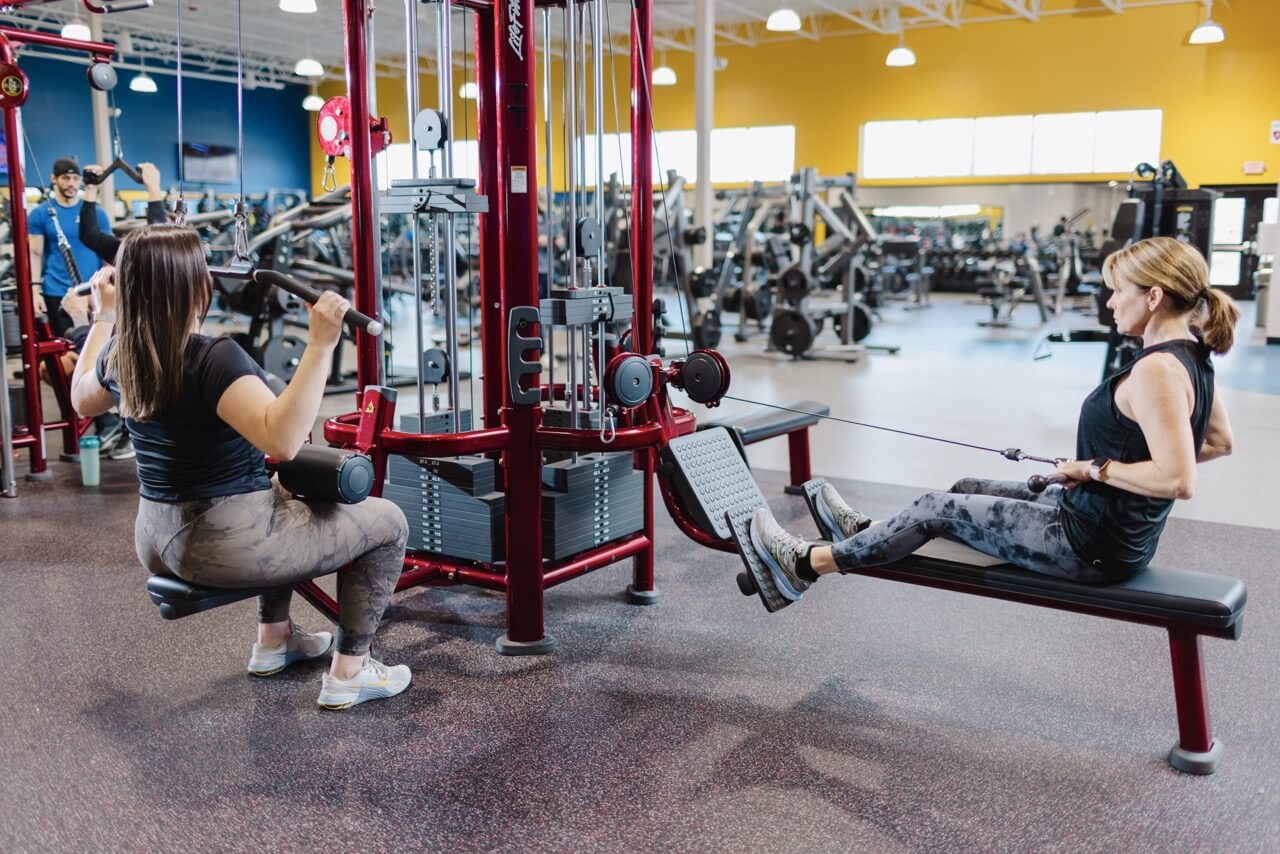
- Cable rows
- Lat pulldown (moderate weight)
- Dumbbell pullovers
Shoulders
- Dumbbell shoulder press
- Plate front raises
- Dumbbell lateral raises
- Dumbbell rear delt flys
- Dumbbell high pulls
Biceps
- Dumbbell bicep curls
- Hammer curls
- Alternating dumbbell curls
- Cable curls
- Dumbbell curl to press
Triceps
- Dumbbell overhead tricep extension
- Dumbbell skull crushers
- Cable tricep pushdowns
- Bench dips (weighted if possible)
- Close-grip dumbbell press
Core
- Weighted Russian twists
- Dumbbell sit-ups
- Plate crunches
- Weighted plank (plate on back)
- Dumbbell toe touches
Example of a Full-Body HIIT Workout With Weights
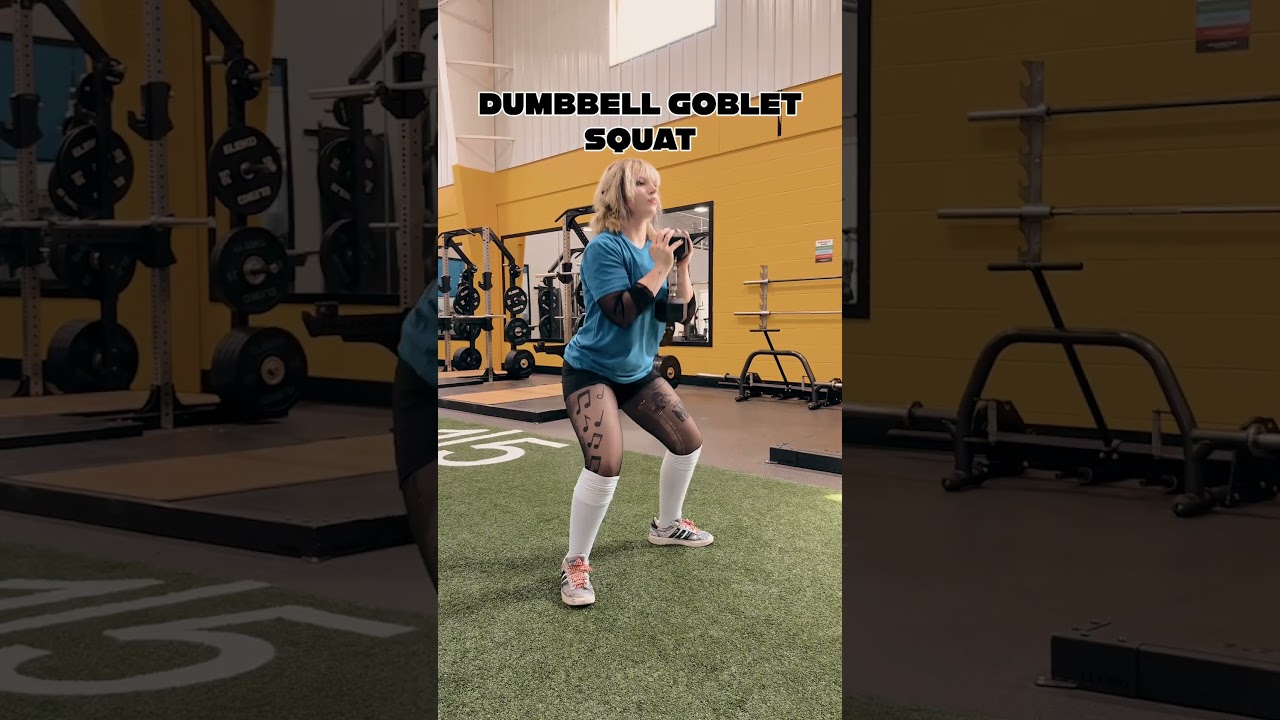
Here is how your workout can look:
Structure
- Work: 45 seconds
- Rest: 15 seconds between exercises
- Rest between rounds: 60-90 seconds
- Total rounds: 3
Workout Order
- Dumbbell Goblet Squat (Quads)
- Dumbbell Bench Press (Chest)
- Dumbbell Bent-Over Row (Back)
- Dumbbell Romanian Deadlift (Glutes)
- Dumbbell Shoulder Press (Shoulders)
- Cable Curls (Biceps)
- Cable Tricep Pushdowns (Tricep)
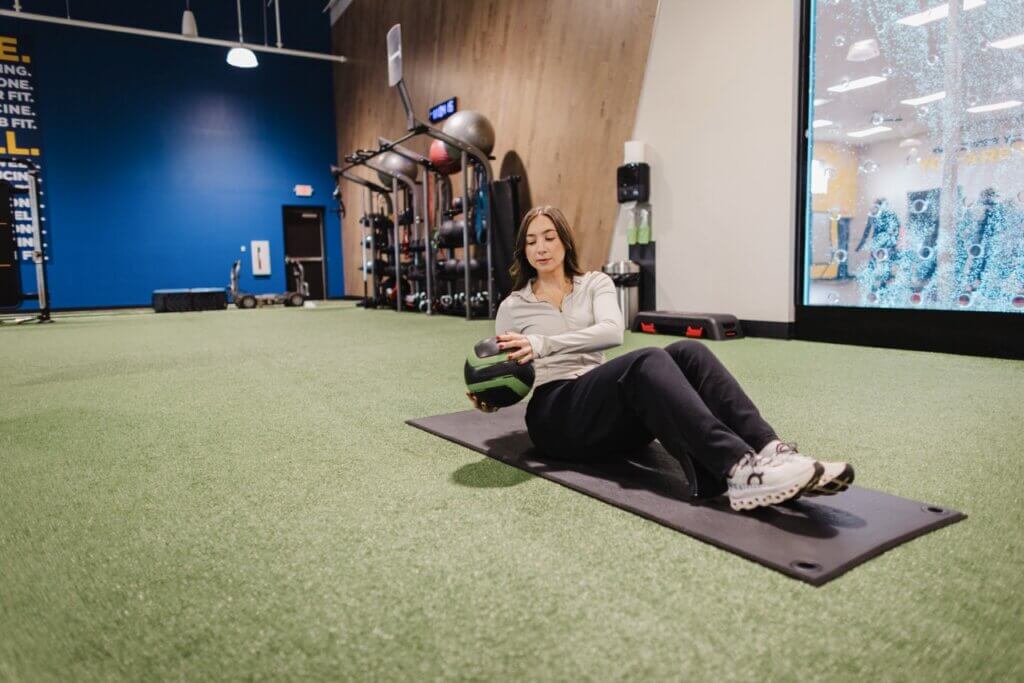
- Weighted Russian Twists (Core)
Full-Body HIIT Workout With Dumbbells
This is a great alternative if you’re doing workouts at home. With just a few adjustments, you can complete an entire workout using only dumbbells.
Here’s a list of exercises you can use:
Quads
- Dumbbell goblet squats
- Dumbbell step-ups
- Dumbbell forward lunges
Glutes
- Dumbbell Romanian deadlifts
- Dumbbell reverse lunges
- Dumbbell glute bridges
Chest
- Dumbbell floor press
- Dumbbell bench press
- Dumbbell squeeze press
Back
- Dumbbell bent-over rows
- Single-arm dumbbell rows
- Dumbbell pullovers
Shoulders
- Dumbbell shoulder press
- Dumbbell lateral raises
- Dumbbell front raises
Biceps
- Dumbbell curls
- Hammer curls
- Alternating dumbbell curls
Triceps
- Dumbbell overhead extensions
- Dumbbell skull crushers
- Close-grip dumbbell press
Core
- Dumbbell Russian twists
- Dumbbell sit-ups
- Dumbbell toe touches
Example of Full-Body HIIT Workout With Dumbbells
Here is how your workout can look:
Structure
- Work: 45 seconds
- Rest: 15 seconds between exercises
- Rest between rounds: 60-90 seconds
- Total rounds: 3
Workout Order
- Dumbbell Goblet Squat (Quads)
- Dumbbell Floor Press (Chest)
- Single-Arm Dumbbell Row (Back)
- Dumbbell Shoulder Press (Shoulders)
- Dumbbell Romanian Deadlift (Glutes)
- Dumbbell Curls (Biceps)
- Dumbbell Overhead Extension (Triceps)
- Dumbbell Russian Twists (Core)
Can You Do Full-Body HIIT Training Without Weights?
Yes, you can absolutely do this type of workout without weights. And it doesn’t have to be cardio-focused. If you choose exercises that are challenging enough, you can still build strength and see improvements in muscle growth.
One thing to keep in mind is progression. Bodyweight workouts can be a bit harder to scale compared to weight training. With weight, barbells, or kettlebells, you can simply adjust the load and keep pushing for 45 seconds. But with exercises like push-ups or pull-ups, intensity is tied more to your body weight.
That’s why you should start with easier variations. As you improve, you can move to more advanced ones to keep things challenging.
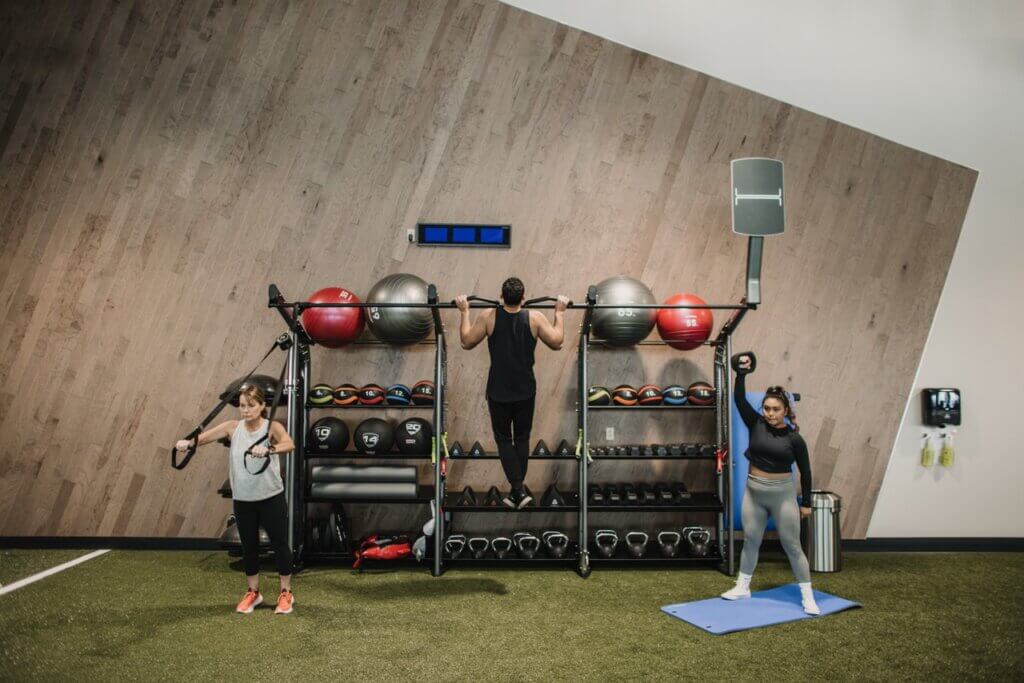
Full Body HIIT Calisthenics Exercises
Here’s a list of exercises you can use:
Quads
- Easier: Bodyweight squats
- Harder: Jump squats
Glutes
- Easier: Glute bridges
- Harder: Single-leg glute bridges
Chest
- Easier: Incline push-ups
- Harder: Decline push-ups
Back
- Easier: Inverted rows (knees bent)
- Harder: Pull-ups
Shoulders
- Easier: Pike push-ups (knees bent)
- Harder: Pike push-ups (full) or handstand push-ups
Biceps
- Easier: Inverted rows (underhand grip)
- Harder: Chin-ups
Triceps
- Easier: Bench dips (knees bent)
- Harder: Dips
Core
- Easier: Plank
- Harder: Plank with shoulder taps or V-ups
Example of Calisthenics Full-Body HIIT Workout
Here is how your workout can look:
Structure
- Work: 45 seconds
- Rest: 15 seconds between exercises
- Rest between rounds: 60-90 seconds
- Total rounds: 3
Workout Order
- Bodyweight Squats (Quads)
- Push-Ups (Chest)
- Inverted Rows (Back)
- Pike Push-Ups (Shoulders)
- Glute Bridges (Glutes)
- Chin-Ups or Rows (Biceps)
- Bench Dips (Triceps)
- Plank (Core)
Full-Body HIIT Workouts for Any Schedule
The best part about this type of workout is that it can keep things short and efficient when you’re busy, or extend your sessions when you want to train harder and take more time to recover between rounds.
Here’s how you can adjust the length of your workouts if you’re doing up to 8 exercises that target each major muscle group, quads, chest, back, shoulders, glutes, biceps, triceps, and core.
Warm-up is not included in this breakdown, but you should always take 5 to 10 minutes to get your body ready for intense sessions.
20-Minute Full Body HIIT Workout
Work: 40 seconds
Rest: 15-20 seconds
Total rounds: 2-3
Rest between rounds: 45-60 seconds
45-Minute Full Body HIIT Workout
Work: 40-45 seconds
Rest: 20 seconds
Total rounds: 3-4
Rest between rounds: 2-3 minutes
1-Hour Full Body HIIT Workout
Work: 45 seconds
Rest: 20-30 seconds
Total rounds: 4-5
Rest between rounds: 2-3 minutes
How Should a Full-Body Circuit Workout for Women Look?
Full-body HIIT workouts for women can follow the exact same structure we shared here. Just make sure you choose exercises you enjoy, that feel comfortable, and use weights that challenge you while still allowing you to push through a full 45 seconds for each exercise.
FAQ
How many times a week should you do full-body HIIT workouts?
You should do full-body HIIT workouts 2 to 3 times a week. Since they are intense, you’ll need time to recover, so always try to space them out with rest days.
Can beginners do full-body HIIT workouts?
Yes, beginners can absolutely start with HIIT, but always make sure your form stays solid, even at the end of each round. Also, choose exercises you can perform comfortably for at least 45 seconds. That’s why, for beginners, we recommend trying our boot camp classes in Evansville and Newburgh.
Should you do HIIT on rest days?
No, especially if you’re doing full-body HIIT with weights. If you want to stay active, go with light cardio like walking, cycling, or even yoga to help with mobility.
What should you eat before a full-body HIIT workout?
Eat a light meal that includes carbohydrates and some protein 1 to 2 hours before your workout. You can also have additional carbohydrates 30 to 60 minutes before training to give you extra energy for an intense session.
Is HIIT good for fat loss?
Yes, HIIT is very effective for fat loss because it burns a high number of calories in a short amount of time and keeps your metabolism elevated even after the workout.