If you are looking to try something new or you are short on time, then you should try a full body circuit workout. These workouts do not take long, but they are still effective and challenging.
Key Takeaways
- A full body circuit workout combines strength and cardio in one efficient session.
- Exercises are performed back-to-back with minimal rest, keeping muscles active and heart rate elevated.
- Most circuits include 6 to 10 compound exercises and are repeated for 1 to 4 rounds.
- This training style works well for busy schedules, fat loss, conditioning, beginners, and experienced lifters.
What Is a Full Body Circuit Workout?
A full body circuit workout is a training style where exercises are performed back-to-back with minimal rest. It is challenging because your muscles stay active the entire time. At the same time, the constant movement keeps your heart rate up and makes the workout feel fast and engaging.
A typical full body circuit workout includes:
- 6 to 10 exercises per circuit
- Compound movements that train multiple muscle groups at once
- Short rest periods between exercises
- 1 to 4 total rounds, depending on intensity
Because the goal is to train the entire body, exercise selection will include pushing and pulling movements, lower body exercises, and core engagement.
If you like this fast pace but want a coached, high-energy class format, here’s what a boot camp workout is and what to expect.
Who Is a Full Body Circuit Workout For?
Full body circuit workouts can be adjusted to fit different goals, which makes them a good option for a wide range of people. This training style works especially well in the following situations.
- Busy people: If you are short on time but still want a solid workout, circuit training is a practical and efficient choice.
- Fat loss and conditioning: Because these workouts move at a faster pace, they help burn calories while improving muscular endurance and overall conditioning.
- Beginners who need structure: This type of workout offers a clear format to follow. They work best when you focus on learning proper form and choose movements that match your current skill level.
- Experienced lifters who want a challenge: Circuit training can be a useful alternative when you want a break from traditional strength workouts or need a different type of training stimulus.
Benefits of Full Body Circuit Training
Full body circuit training is popular for a reason. This style of training offers several practical benefits.
- Efficient use of time: Workouts are shorter, rest periods are limited, and you can accomplish a lot in a single session.
- Strength and muscular endurance: The continuous effort helps build strength while significantly improving muscle endurance.
- Cardiovascular improvement: An elevated heart rate throughout the workout supports better stamina and conditioning.
- Higher calorie burn: The combination of strength and cardio increases energy demand during and after training.
- Better consistency: Many people enjoy the fast-paced nature of circuit training, which makes workouts more engaging and easier to stick with over time.
Full Body Circuit Workout Examples
Full body circuit workouts can be adapted to almost any setting. Whether you are training at home, using minimal equipment, or looking for a higher-level challenge, the overall structure stays consistent. Below are three practical examples you can use as a starting point.
No Equipment Full Body Circuit
Perform each exercise for 30 to 40 seconds, rest 15 to 20 seconds between movements. Complete 2 to 4 rounds.
- Bodyweight squats
- Push-ups
- Alternating reverse lunges
- Plank shoulder taps
- Glute bridges
- Mountain climbers
Dumbbell-Only Full Body Circuit
Perform 10 to 12 reps per exercise. Rest 20 to 30 seconds between movements. Complete 3 rounds.
- Dumbbell goblet squats
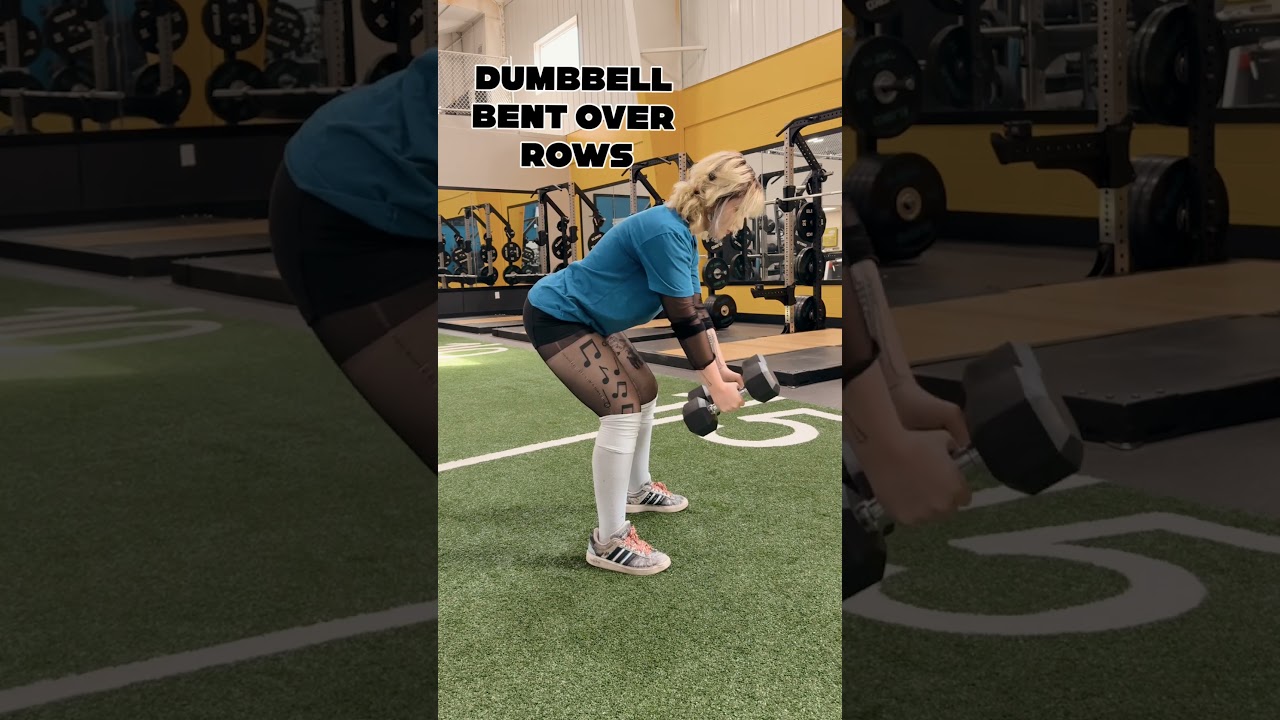
- Dumbbell bent-over rows
- Dumbbell shoulder press
- Dumbbell reverse lunges
- Dumbbell Romanian deadlifts
- Dumbbell dead bugs
Advanced Full Body Circuit
Perform each exercise for 40 seconds, rest 10 to 15 seconds between movements. Complete 3 to 5 rounds.
- Squat to press
- Renegade rows
- Jump lunges or weighted lunges
- Push-ups or hand-release push-ups
- Kettlebell swings or dumbbell swings
- Burpees
How Often Should You Do Full Body Circuit Workouts?
For most people, 3 full body circuit workouts per week is enough.
That may sound low at first, but these workouts train the entire body and place demands on both your muscles and your conditioning.
For that reason, it helps to space your workouts evenly throughout the week. Aim for at least one rest day between sessions. If you want to stay active on rest days, you can do light cardio or mobility work.
Take a look at our full-body workout plan for women.
Full Body Circuit Workout vs Traditional Strength Training
Traditional strength training usually focuses on fewer exercises, heavier loads, and longer rest periods.
With full body circuit training:
- Rest periods are shorter
- Exercises flow one after another
- Multiple muscle groups are trained in each round
- Workouts take less time overall
Traditional strength training is ideal for maximizing muscle size and strength. Circuit training shifts some of that focus toward efficiency and conditioning.
That said, you can still build a strong and athletic physique with this type of training.
Full Body Circuit Workout vs HIIT
HIIT workouts are built around very high intensity and short work intervals. Here’s a list of full-body HIIT exercises.
Compared to HIIT, full body circuit workouts:
- Use a wider range of strength exercises
- Allow slightly longer work periods
- Are easier to scale for different fitness levels
- Focus more on total-body strength and endurance
HIIT pushes intensity to the limit and is often used primarily for calorie burning. Circuit training is more balanced. You still burn calories, but you also build strength and muscle.
Tips for Safer and More Effective Workouts
Circuit workouts are intense, so there are a few things to keep in mind before jumping in.
- Use lighter weights: Even if you normally lift heavier, circuit training requires lighter loads. In most cases, using 20 to 40% less weight than usual allows you to maintain good form throughout the workout.
- Do not skip warm-ups: When time is tight, warm-ups are often the first thing to shorten or skip. Before starting an intense circuit, make sure your body is properly warmed up to reduce the risk of injury.
- Have a plan: Know how you want to progress over time. That could mean adding rounds, increasing reps, or using slightly heavier weights.
Nutrition Tips
Workouts like these place demands on both your muscles and your energy systems. To support that work, your nutrition needs to provide enough fuel.
Before your workout, aim for:
- Light carbohydrates for quick energy
- Some protein to support muscle work
- A meal or snack 60 to 90 minutes before training
After training:
- Aim for 20 to 30 grams of protein
- Combine it with carbohydrates if possible
- Hydrate to replace fluids lost during the workout
Nutrition does not need to be complicated, but it does need to match your training. If you want guidance that fits your goals, schedule, and preferences, BFit offers nutrition coaching to support your workouts and recovery.
Nutrition coaching is available in Evansville and Newburgh, so you can get support in person or from anywhere.
FAQ
Are full body circuit workouts good for beginners?
Yes. Full body circuit workouts can be good for beginners as long as they can perform exercise with good form.
Can you build muscle with circuit training?
Yes, you can build muscle with circuit training, especially if you are new to resistance training. While they are not designed for maximal muscle size, they can still lead to visible strength gains.
Are circuit workouts better than HIIT?
Circuit workouts are not better than HIIT, and HIIT is not better than circuit training. They serve different purposes. Circuit training balances strength and conditioning with sustainable intensity, while HIIT focuses on short bursts of very high effort.
How long should a full body circuit workout be?
Most full body circuit workouts last between 20 and 35 minutes. Shorter sessions can still be effective if intensity is managed properly. Longer workouts are possible, but efficiency is one of the main advantages of this training style.